Spanning from Ravi Shankar’s pioneering 1961 sessions to the electric experiments of the Mahavishnu Orchestra and Zakir Hussain’s percussive ensembles, early Indo-jazz fusion emerged through decades of cross-cultural curiosity and artistic dialogue. Visionary musicians blended Indian classical traditions with Western jazz, rock, and global rhythms, transforming spiritual exploration into a cohesive new sonic language. These foundational collaborations ultimately set the stage for Shakti’s 1975 debut, permanently reshaping the landscape of global music.
The fusion of Indian classical music with Western jazz represents one of the most groundbreaking musical developments of the 20th century. Before the formation of the legendary group Shakti in 1975, a series of pioneering collaborations laid the foundation for this revolutionary sound. Here’s the story of how East met West, told chronologically from the earliest experiments to the threshold of Shakti’s formation.
1961: The First Recorded Collaboration – Ravi Shankar and Bud Shank
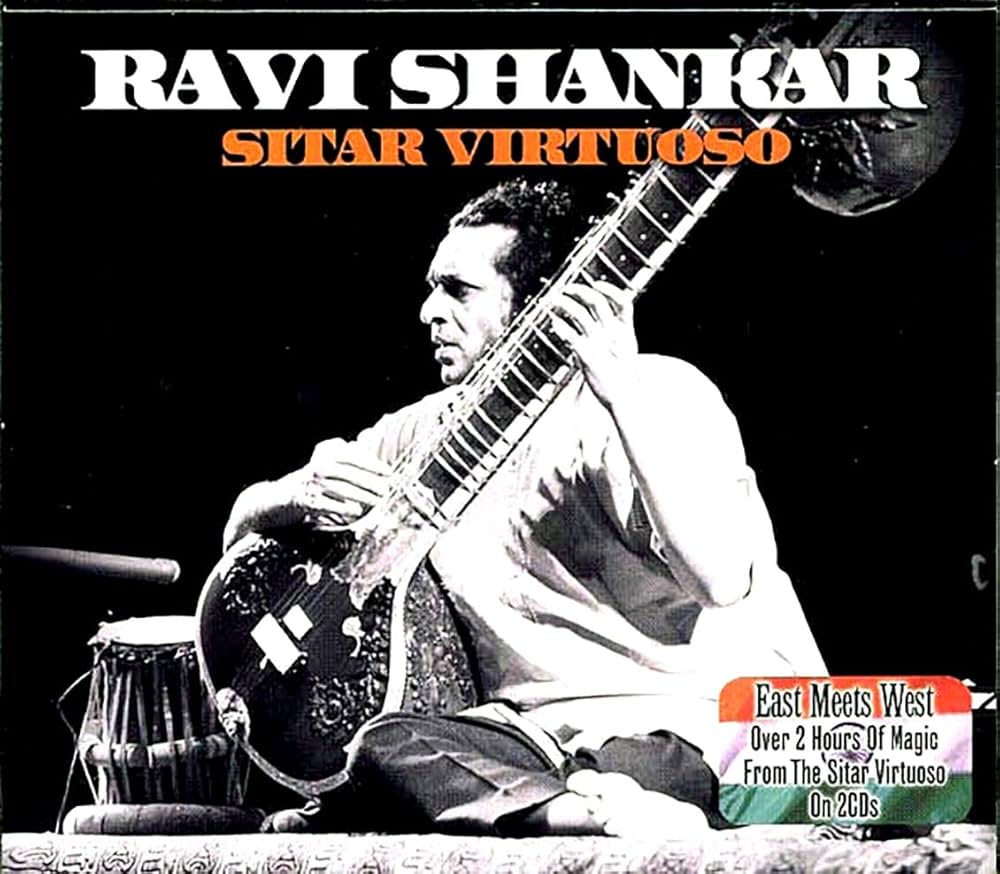
The first recorded collaboration between Indian and jazz musicians occurred in 1961, when sitar maestro Ravi Shankar worked with West Coast American saxophonist and flutist Bud Shank. Their album Improvisations featured a single track where Shankar and Western musicians played together—”Improvisations on the theme music from Pather Panchali.” While this early attempt was relatively simple, with the sitar merely playing the melody over Western film music, it marked a historic moment. As the Wikipedia entry on “Sitar in Jazz” notes, this session was connected to the film industry, which would contribute “the most considerable corpus of music that combines Indian and Western musics.”
1957-1965: Ravi Shankar’s Growing Influence
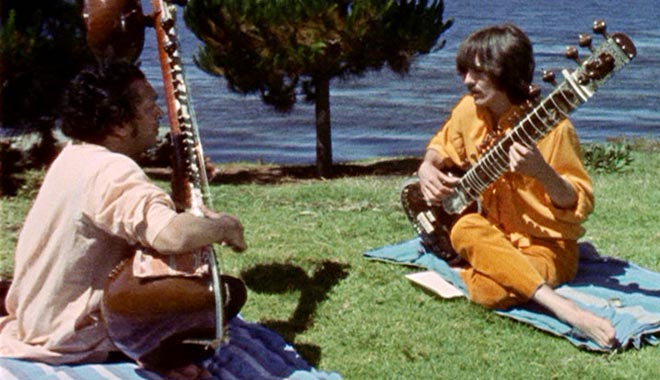
Even before the 1961 collaboration, jazz musicians were taking notice of Indian music. Tony Scott recorded “Portrait of Ravi” on his Dedications album as early as 1957. But it was primarily through Ravi Shankar’s music that jazz legends like John Coltrane became aware of Indian music’s potential. Shankar’s collaboration with violinist Yehudi Menuhin helped catalyze the fusion movement, bringing Indian classical music to Western classical audiences. During the 1960s, an age of “protest and revolution,” this musical exchange gained momentum. The most significant development came when John Coltrane met Shankar in 1965 after a long period of mutual admiration and letter writing. Coltrane’s name became “inextricably linked to the emergence of modal Jazz,” and it’s believed that modal jazz was inspired by Indian music. Indian influence became an important element in Coltrane’s later work, such as the 1965 album Kulu Sé Mama, as well as in the music of Yusef Lateef and Ornette Coleman.
1969: The Fateful Meeting – John McLaughlin and Zakir Hussain
In 1969, two musicians who would become central to Indian jazz fusion crossed paths for the first time. John McLaughlin, a British guitarist who had recently relocated from London to New York, was playing with Tony Williams’ Lifetime and would soon join Miles Davis himself.
“Like most hippies coming out of the psychedelic period, I began to ask myself all the great questions of existence, and I was looking for answers. Most of us ended up looking East where they’d been addressing these questions for thousands of years—the East in general, but India in particular.”
Frequenting a Greenwich Village music store called The House of Musical Traditions, McLaughlin met Zakir Hussain, an Indian tabla prodigy who had been touring the world with his father, Ustad Alla Rakha, since age 12.
“I said to the owner: ‘If ever a great Indian musician comes in who would be ready to give me a lesson, please let me know.’ I was hungry to learn the rules and regulations of Indian music in order to be able to play with them.”
That encounter could have been the end of their musical relationship, but fate had other plans.
1971-1973: The Mahavishnu Orchestra – Electric Fusion
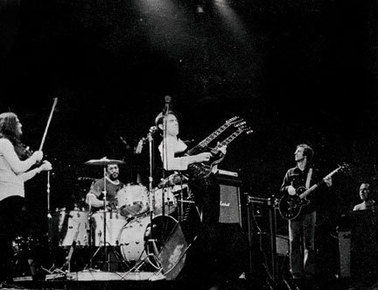
By 1971, McLaughlin had become a follower of Indian spiritual leader Sri Chinmoy, who gave him the name “Mahavishnu” (“Maha” meaning “great” in Sanskrit and “Vishnu” after the Hindu deity). McLaughlin formed the Mahavishnu Orchestra in New York City, creating a jazz fusion group that blended Indian classical music, jazz, and psychedelic rock. The original lineup featured:
- John McLaughlin – guitar
- Jan Hammer – keyboards
- Jerry Goodman – violin
- Rick Laird – bass
- Billy Cobham – drums
The group adopted “an instrumental fusion sound characterised by electric rock, funk, complex time signatures, and arrangements influenced by McLaughlin’s interest in Indian classical music.”
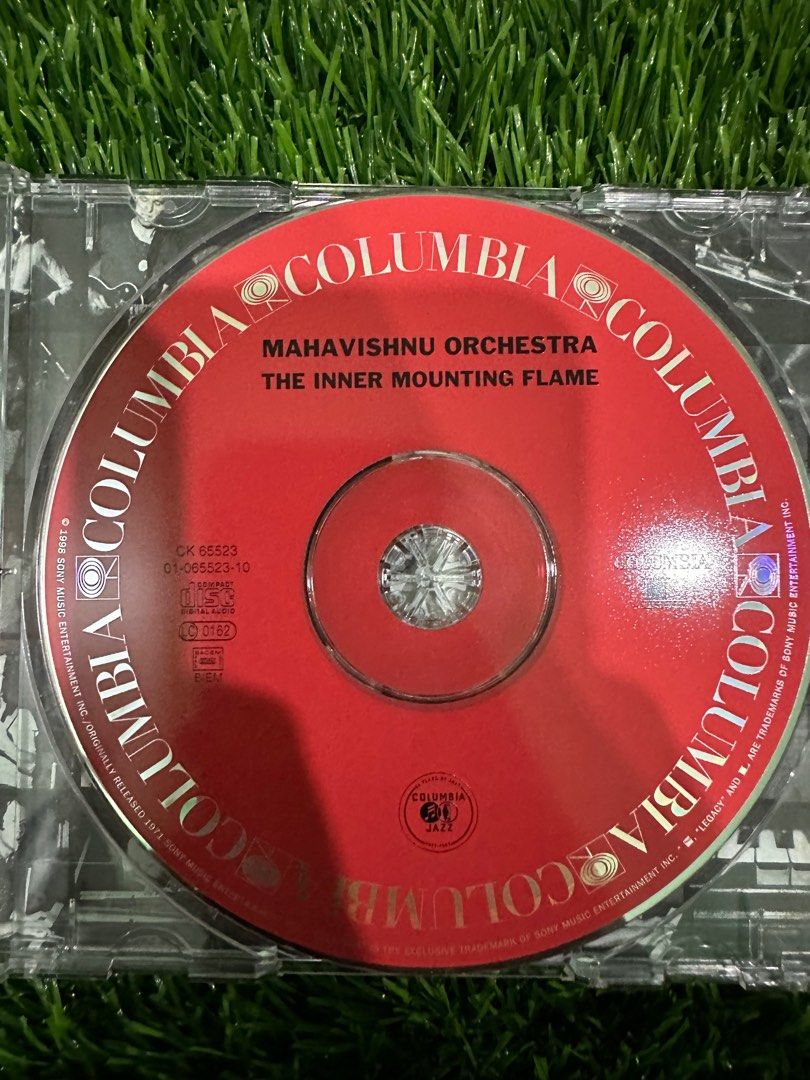
Their debut album, The Inner Mounting Flame (1971), peaked at No. 11 on the Billboard Jazz Albums chart. This was followed by Birds of Fire (1973), which reached No. 15 on the Billboard 200. The Mahavishnu Orchestra’s music “significantly influenced the jazz fusion genre by combining elements of jazz, rock, Indian classical music.”
1972: The Reconnection – McLaughlin and Hussain Meet Again
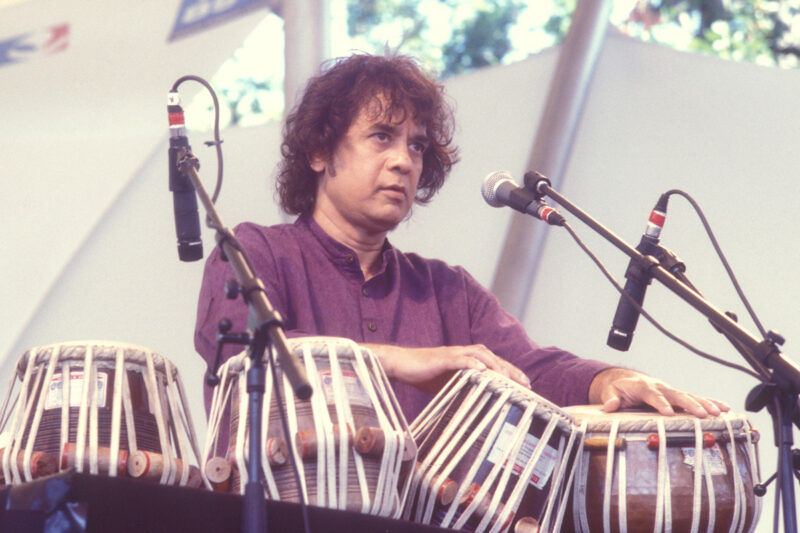
In 1972, three years after their first meeting, McLaughlin and Hussain crossed paths again. By this point, Hussain was teaching at the Ali Akbar Khan School of Music in Northern California. CBS asked McLaughlin to perform a charity concert, and he selected the Ali Akbar Khan School as the beneficiary. The two musicians reconnected, and McLaughlin invited Hussain to see the Mahavishnu Orchestra perform. Hussain recalled:
“When I walked in, Billy Cobham was hitting the gong, and John was standing there in his whites. Then he started the arpeggio riff of ‘Birds of Fire.’ My jaw dropped and that’s when I saw what sacrilege I had committed by not giving him the reverence he deserved when we first met.”
“The next day, we played together in Ali Akbar Khan’s living room. We just hit the ground running, and we’ve been running ever since.”
McLaughlin added:
“Within 20 seconds, I realized I was playing with somebody that I had to play with more because he was just too amazing. There was an affinity that is indescribable. This really was the pinnacle. It was the primal experience behind the formation of Shakti.”
1973: Tal Vadya Rhythm Band – The Percussion Ensemble
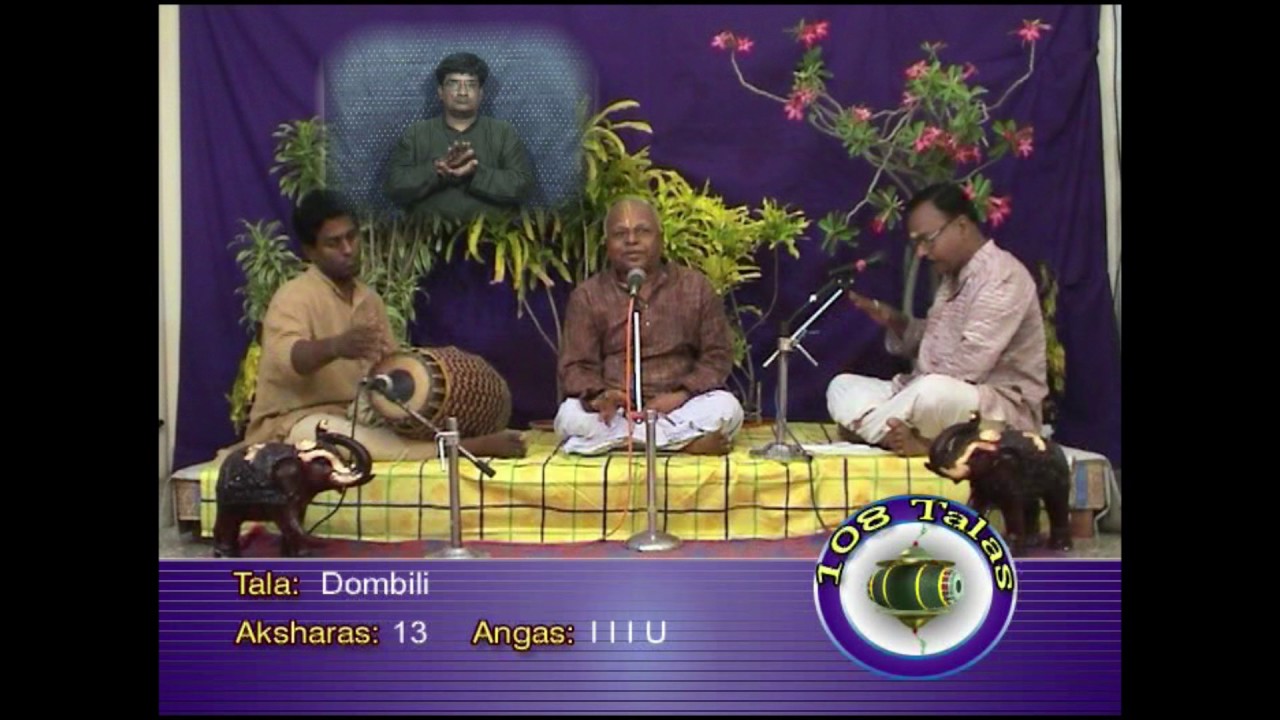
In 1973, Zakir Hussain founded the Tal Vadya Rhythm Band as an Ali Akbar College of Music performance project. This percussion-based ensemble would later evolve into the Diga Rhythm Band when Mickey Hart, drummer for the Grateful Dead, joined in 1975. The Tal Vadya Rhythm Band represented an important exploration of Indian rhythmic traditions in a collaborative context, bringing together multiple tabla players and percussionists to create complex rhythmic textures.
1973-1974: Seeds of Shakti – McLaughlin’s Deep Dive into Indian Music
While performing with the Mahavishnu Orchestra, McLaughlin was simultaneously deepening his study of Indian classical music. He began learning the veena (a plucked string instrument from India) from Dr. S. Ramanathan at Wesleyan College. Through Dr. Ramanathan, McLaughlin met mridangam player Ramnad Raghavan, who then introduced McLaughlin to his nephew, violinist L. Shankar. These connections would prove crucial to the formation of what would become Shakti. McLaughlin, Hussain, Shankar, and Raghavan soon performed a series of local gigs at area schools and churches, “utilizing extended improvisation while seeking common musical ground.” This experimental period allowed them to explore how Indian classical music and Western approaches could interweave.
1975-1976: Diga Rhythm Band – Global Percussion Fusion
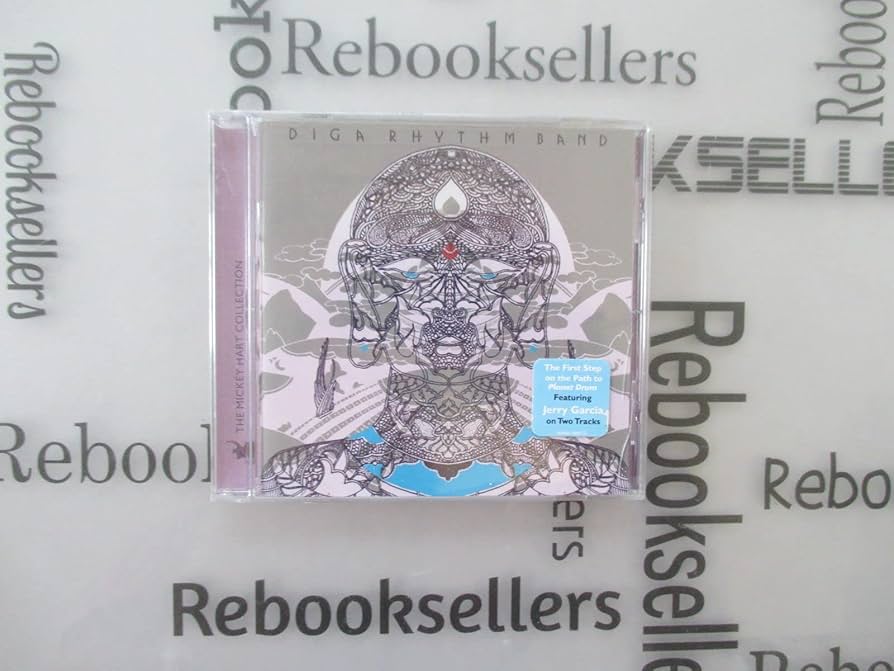
When Mickey Hart joined Zakir Hussain’s Tal Vadya Rhythm Band in 1975, they renamed the group the Diga Rhythm Band. In 1976, they recorded their self-titled album Diga at Hart’s studio, The Barn, in Novato, California. The album featured an impressive array of percussionists:
- Mickey Hart – traps, gongs, timbales, timpani
- Zakir Hussain – tabla, folk drums, tar
- Jordan Amarantha – congas, bongos
- Peter Carmichael – tabla
- Aushim Chaudhuri – tabla
- And many others
Remarkably, Jerry Garcia of the Grateful Dead played guitar on two of the album’s five tracks, including “Happiness Is Drumming,” which was an early instrumental version of “Fire on the Mountain.” The album was “a compelling and powerful recording that draws in the listener with its spellbinding rhythms,” according to AllMusic’s Jeff Tamarkin. Writing in The Music Box in 2008, John Metzger noted that the album “effectively introduced percussion-driven, globally minded grooves to an entirely new audience. It also was far ahead of its time.” The ensemble was dedicated “to our friend and teacher Ustad Alla Rakha, and to all drummers everywhere.”
The Stage is Set for Shakti
By 1975, all the elements were in place for something truly revolutionary. John McLaughlin had:
- Mastered electric jazz fusion with the Mahavishnu Orchestra
- Deepened his understanding of Indian classical music through study with Dr. S. Ramanathan
- Reconnected with Zakir Hussain and experienced their magical musical chemistry
- Met L. Shankar and Ramnad Raghavan through his Indian music studies
In 1974, McLaughlin decided to step away from the Mahavishnu Orchestra to give his full attention to what would become Shakti. As he explained: “I realized that Shakti was a musical imperative, to the great dismay of my record company.”
The Legacy of the Pioneers
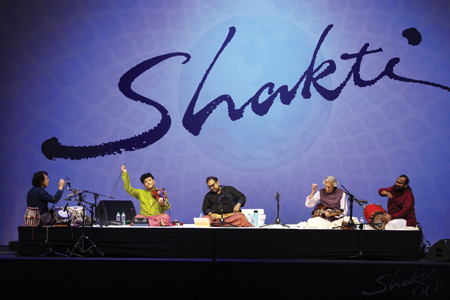
The journey from Ravi Shankar’s first collaborations in 1961 to the threshold of Shakti’s formation represents a remarkable evolution in musical thinking. These pioneers didn’t simply overlay Indian instruments on Western harmonies or vice versa—they sought genuine musical synthesis.
“I am a Western musician, and I don’t wish to be an Indian musician. All I ever wanted was to know their music intimately enough to be able to sit down and play with them because they are not only wonderful human beings, they’re phenomenal players.” — John McLaughlin
Hussain added insight into their collaborative process:
“There was never a discussion as to what kind of music we were going to make. We would sit down in John’s living room in his loft and a riff was put on the floor by him or by Shankar. Then Vikku and I looked at the grooves that might enhance that melodic idea.”
The musicians who came before Shakti—Ravi Shankar, John McLaughlin, Zakir Hussain, Mickey Hart, and countless others—created a foundation that would influence generations. Their work demonstrated that music could transcend cultural boundaries not through superficial borrowing, but through deep respect, study, and genuine collaboration. As the world prepared for Shakti’s emergence, the stage was set for what would become one of the most influential Indo-jazz fusion groups in history—a group that would continue to evolve and inspire for the next 50 years and beyond.
Sources
- [2] Forbes India – Pandit Ravi Shankar Catalysed Fusion Music
- [3] Wikipedia – Sitar in Jazz
- [15] Relix – Golden Circle: John McLaughlin and Zakir Hussain Celebrate 50 Years of Shakti
- [19] Wikipedia – Mahavishnu Orchestra
- [21] Sask Talent – The Mahavishnu Orchestra
- [23] Facebook – Mahavishnu Orchestra and their iconic lineup
- [27] Wikipedia – Diga (album)
- [32] Dailymotion – Diga Rhythm Band – 1976